You’ve heard stress is bad for your heart, your sleep, and your skin. But your mouth? That one tends to fly under the radar.
The truth is, your oral health is one of the most sensitive stress indicators in your body. Unlike a headache that fades or a breakout that clears up, stress-related dental damage can be permanent if ignored.
Here’s everything you need to know, backed by clinical evidence.
What Does Stress Actually Do Inside Your Mouth?
When your body is under stress, it releases cortisol. Cortisol does a lot of things
- Raises your heart rate
- Suppresses your immune system
Now imagine your mouth, which is filled with all sorts of bacteria bearing the brunt of this cortisol overload.
The Stress and Oral Health Checklist: What to Watch Out For?
1. Bruxism (Teeth Grinding and Jaw Clenching)
Ever notice waking up with a sore jaw or teeth sensitivity after periods of prolonged stress or disrupted sleep? The relationship between bruxism and stress is complex and involves the central nervous system.
Bruxism is a multifactorial condition, influenced by neurological regulation, psychological stress, physiological stress, sleep physiology, genetics, medications, airway factors and lifestyle influences. Current evidence suggests that stress and emotional strain may alter central nervous system activity and sleep arousal patterns, which can contribute to increased jaw muscle activity in susceptible individuals.
- The most common trigger for teeth grinding is stress. When you are stressed, you may unconsciously clench your teeth while you sleep or grind your jaw back and forth.
- Over time, it wears down enamel, chips teeth, and strains the jaw joint (TMJ)
- Common symptoms: morning headaches, jaw soreness, tooth sensitivity, and worn-down teeth
2. Gum Disease
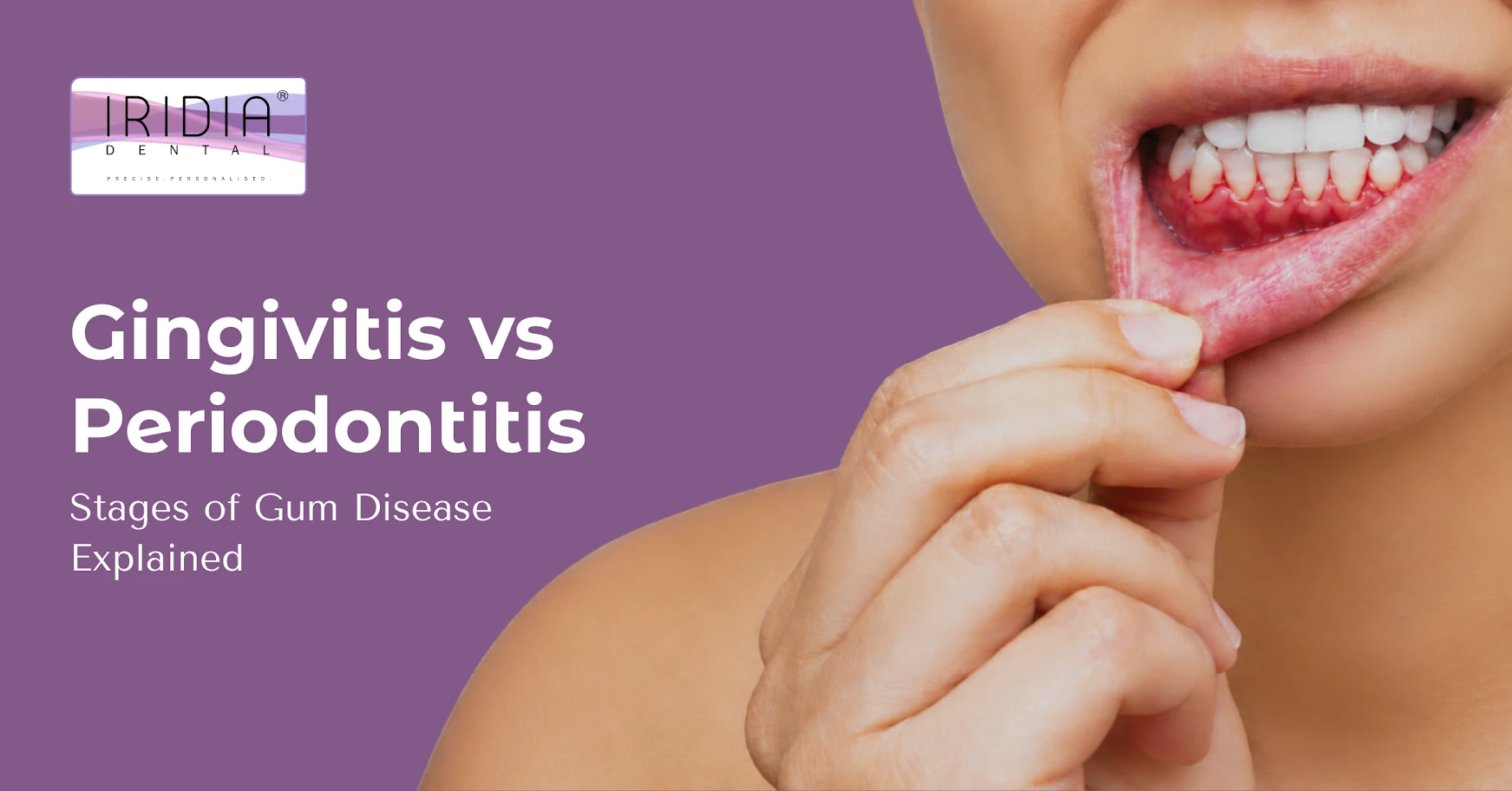
- Stress hormones raise inflammation levels throughout the body, including in gum tissue
- Stress weakens the immune system, making it harder for the body to fight off the bacteria that cause gum disease
- Bleeding gums, swollen tissue, and recession are all signs worth taking seriously
3. Dry Mouth
- Stress and anxiety reduce saliva production
- Saliva is your mouth’s natural defence system. It neutralises acids, washes away bacteria, and protects enamel
- Without it, cavity risk goes up significantly
4. Mouth Sores and Ulcers
- Canker sores and cold sores flare up more frequently during periods of high stress
- The immune suppression caused by cortisol gives these conditions the window they need
5. Neglecting Oral Hygiene
- Stressed people skip brushing, miss dental appointments, eat more sugar, drink more coffee, and sometimes clench their jaws all day without realising it.
- The habits fall apart exactly when protection is most needed
How Does a Bad Night’s Sleep Affect Your Mouth?
Poor sleep and oral health are more connected than most people realise.
- Sleep deprivation raises cortisol, which worsens gum inflammation
- Most teeth grinding happens during sleep, particularly in light sleep stages
- Mouth breathing during sleep dries out the oral cavity, raising acid levels and bacterial growth overnight
- People with obstructive sleep apnoea show significantly higher rates of gum disease and enamel erosion
The relationship goes both ways: poor oral health can also disrupt sleep. TMJ pain, tooth sensitivity, and untreated apnoea all fragment sleep quality, creating a feedback loop.
Trending Habits and What the Science Actually Says
Mouth Taping: Is It All Hype or Helpful?
Mouth taping involves placing a small piece of tape over the lips before sleep to encourage nasal breathing. It has had a serious moment on social media.
The honest answer to evidence: it is limited. From a dental perspective, nasal breathing is genuinely better for oral health as it keeps the mouth moist, reduces acid exposure, and supports a healthier bacterial balance. Whether taping achieves this reliably is another question. Mouth taping should not be attempted by anyone with a breathing disorder or sleep apnoea without medical clearance.
Buccal Massage: From Spas to the Dentist’s Radar
Buccal massage is a massage technique focused on the muscles of the face and jaw, performed both inside and outside the mouth by a trained practitioner. Its primary aim is to reduces muscular tension, encourage relaxation, and improve local circulation within the facial and jaw muscles.
For individuals with jaw tightness, muscle fatigue or tension associated with bruxism and TMJ discomfort, it may help ease muscle stiffness and improve comfort. It is not a treatment for underlying cases of bruxism, but rather a supportive therapy directed at the muscles themselves.
Final Thoughts
- Don’t Avoid the Dentist
Schedule regular dental visits at Irida Dental, early signs of grinding, gum inflammation, and enamel wear are all treatable before they become serious.
- Ask About a Night Guard.
If you wake up with jaw soreness, headaches or tooth sensitivity, it is important to first evaluate the underlying cause of the wear and strain on the teeth and jaw muscles. Bruxism and tooth wear can be influenced by factors such as sleep physiology, airways concerns, bite dynamics, medications , muscle hyperactivity, and central nervous system regulation. A professionally fitted night guard is one of the ways dentists may help reduce strain on the teeth and supporting therapies such as photobiomodulation may also be incorporated to help manage muscular discomfort and tissue recovery.
- Address Dry Mouth
Stay hydrated, limit caffeine and alcohol, and talk to your dentist about saliva substitutes/ oral hydration substitutes if needed.
- Do Not Skip Hygiene When Stressed.
Focus on your dental hygiene routine. Don’t neglect them, especially when the stress might drive up your sugar and coffee intake.
- Manage the Source
Exercise, sleep consistency, therapy, and breathwork all show measurable reductions in cortisol levels, which directly benefit your oral environment.
Seeking care from a dentist who understands occlusion muscle function and airway considerations, and evidence-based bruxism protocols can make a meaningful difference. At Iridia Dental, treatment planning is apporached through a detailed evaluation of the biological and mechanical factors contributing to tooth wear and jaw strain.
Frequently Asked Questions
Stress can cause a number of effects in your oral cavity like a dry mouth, teeth grinding, inflamed gums and low immunity.
Yes, stress can cause bad breath. Stress related dry mouth, mouth breathing and neglected dental hygiene could be responsible for this.
Poor oral health, particularly untreated gum disease, allows harmful bacteria to enter the bloodstream and trigger inflammation throughout the body. It has been linked to serious conditions including heart disease, diabetes, respiratory infections, and pregnancy complications.
Yes. Stress-related grinding wears down enamel and can expose the sensitive inner layers of the tooth, causing sharp pain, especially to temperature. Clenching also puts pressure on the jaw joint that can radiate as tooth or facial pain.
Buccal massage is generally safe when performed by a trained practitioner. It is not recommended for people with active oral infections, recent dental surgery, or complex jaw conditions without prior medical advice. It is not a replacement for dental treatment.
Poor sleep raises cortisol, increases oral inflammation, and creates conditions where grinding and dry mouth worsen. Conversely, good quality sleep supports immune function and tissue repair, both of which protect the gums and oral tissues.
References
- A. Vasiliou, K. Shankardass, R. Nisenbaum, C. Quinonez, 2016, Current stress and poor oral health, availble at, https://pmc.ncbi.nlm.nih.gov/articles/PMC5010733/
Noeli Boscato, Fernando Exposto, Gustavo G. Nascimento, Peter Svensson, Yuri M. Costa, 2022, Is bruxism associated with changes in neural pathways, A systemic review and meta analysis of clinical studies using neurophysiological techniques, available at, https://link.springer.com/article/10.1007/s11682-021-00601-w?fromPaywallRec=true