Worried About Getting a Root Canal Treatment?
The words “root canal treatment” often make people nervous. Many imagine a painful and complicated dental procedure. In reality, modern root canal treatment is designed to relieve pain, eliminate infection, and save your natural tooth.
Whether you have recently been advised to undergo treatment or are simply trying to understand your options, learning more about the procedure can help ease concerns and prepare you for what lies ahead.
A persistent toothache can be more than just a minor dental issue. Often, it may indicate an infection deep inside the tooth that requires professional treatment. This is where root canal treatment becomes important.
If you have ever wondered what a root canal treatment is, when it is needed, what the procedure involves, and how much it may cost, this guide covers everything you need to know.
What Is a Root Canal Treatment?
To understand what a root canal treatment is, it helps to first understand the structure of the tooth.
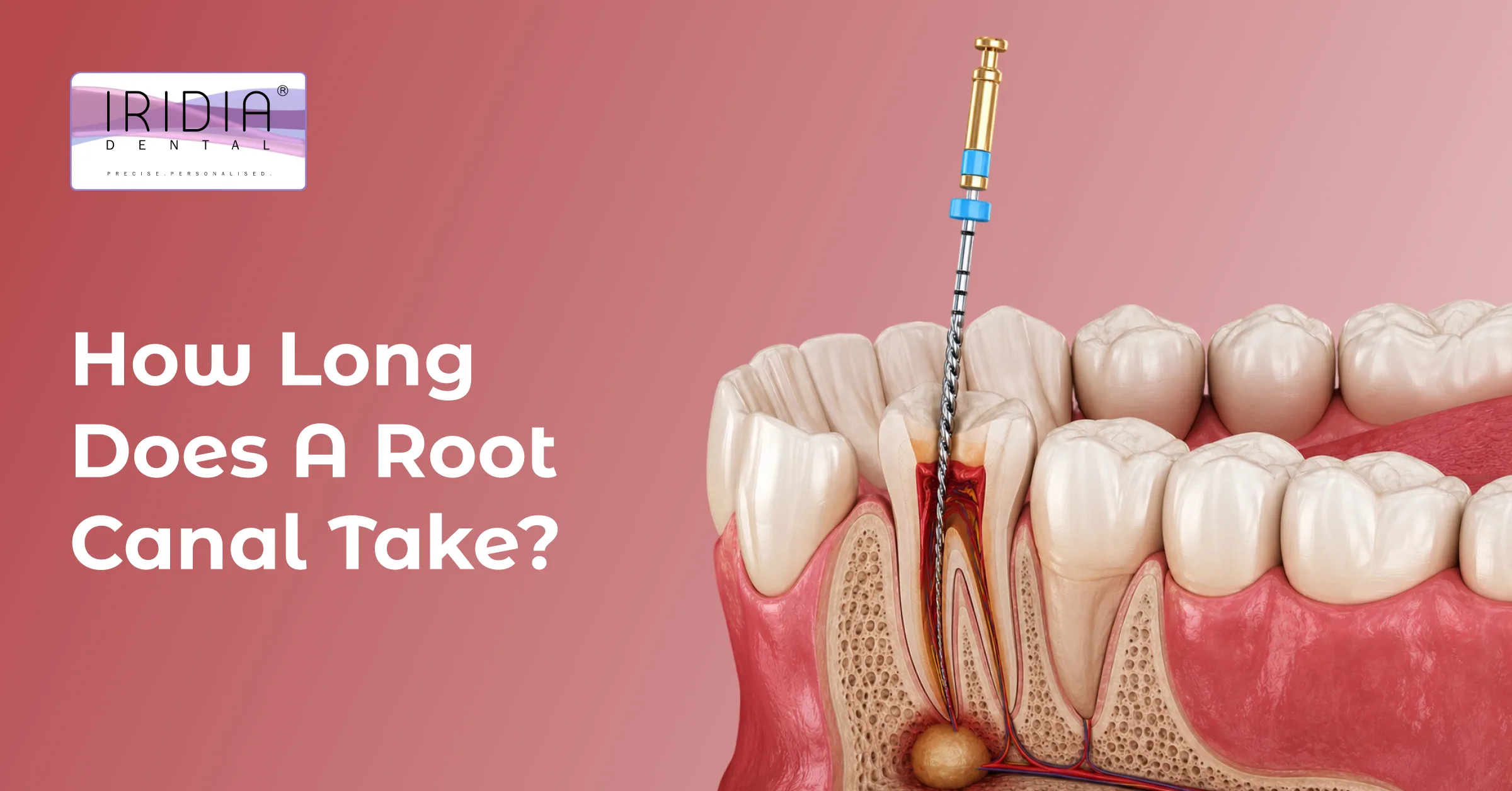
Each tooth consists of several layers. Beneath the hard enamel and dentin lies a soft tissue called the pulp. The pulp contains nerves, blood vessels, and connective tissue.
When this pulp becomes infected or inflamed due to deep decay (cavities), cracks, or trauma, the infection can spread and cause significant pain. In such situations, a root canal treatment is often recommended.
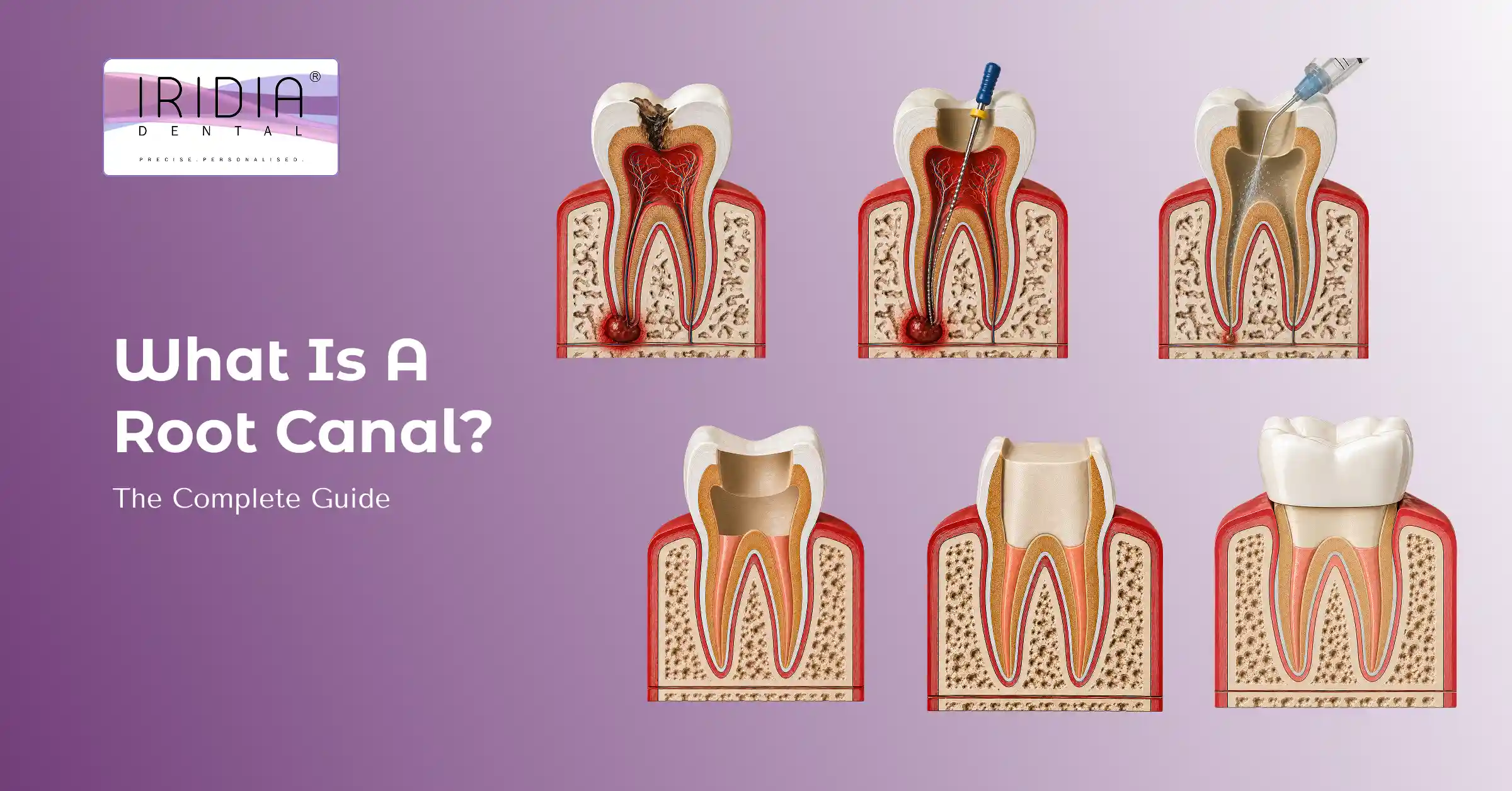
Root canal treatment is a dental procedure that removes the infected or damaged pulp from inside the tooth. The empty canals are then cleaned, disinfected, filled, and sealed to prevent further infection.
When Should You See a Dentist?
Not every toothache means you need a root canal. You can look for these symptoms to know if your tooth may be infected.
Common symptoms that may require a root canal treatment include:
Persistent Tooth Pain
One of the most common signs is ongoing tooth pain that does not go away. The pain may be constant or may come and go throughout the day.
Sensitivity to Hot and Cold
If you experience lingering discomfort after consuming hot coffee, tea, cold water, or ice cream, it could indicate pulp damage.
Swollen Gums
Swelling around the affected tooth may suggest infection extending beyond the tooth.
Tooth Discolouration
An infected tooth may gradually become darker than the surrounding teeth.
Pain While Chewing
Pressure during eating or biting can trigger discomfort if the pulp or surrounding tissues are inflamed.
Gum Abscess
A small pimple-like bump on the gums may indicate an active dental infection.
Loose Tooth
In some cases, infection can weaken supporting structures and cause slight tooth mobility.
If you experience any of these root canal symptoms, scheduling a dental evaluation promptly is important.
How Many Sittings Does Your Root Canal Actually Need?
Not all root canal treatments are completed in the same number of appointments. The treatment approach often depends on the severity of infection, tooth anatomy, and overall oral health.
Single-Sitting Root Canal Treatment
In this approach, the entire procedure is completed during one appointment.
It is often suitable when:
- Infection is minimal
- The canals can be cleaned effectively in one visit.
Benefits include convenience and reduced treatment time.
Multiple Sitting Root Canal Treatment
Most cases require two or more appointments.
This may be necessary when:
- Infection is extensive.
- There is significant inflammation.
- Additional medication is needed inside the canals.
- The tooth anatomy is complex.
The dentist may place medication inside the tooth between appointments to eliminate bacteria before final sealing.
What Happens During a Root Canal Procedure?
Dr. Kenneth Hargreaves, one of the world’s most cited endodontists and former chair of endodontics at UT Health San Antonio, has noted that modern root canal treatment, with today’s anaesthesia and instruments, is no more uncomfortable for most patients than getting a routine filling.
The procedure is straightforward.
| Step | What Happens | Details |
| 1. X-ray and Diagnosis | Checking the tooth | X-ray taken to map the shape of the root canals and check for infection in the surrounding bone |
| 2. Local Anaesthesia | Numbing the area | The tooth and surrounding gum are numbed completely. You remain fully awake and comfortable throughout |
| 3. Dental Dam Placement | Isolating the tooth | A small rubber sheet is placed around the tooth to keep it clean and free of any contamination during the procedure |
| 4. Opening Up the Infected Area | Entering the tooth | A small opening is made through the top of the tooth to reach the pulp chamber inside |
| 5. Cleaning and Shaping | Removing the infected pulp | The damaged or infected pulp is carefully removed. The canals are shaped and rinsed with an antiseptic solution |
| 6. Filling the Canals | Sealing | The cleaned canals are filled with a rubber-like material called gutta-percha and sealed with dental cement |
| 7. Restoration | Filling the cavity | The access opening is sealed with a filling. A crown is placed afterwards to protect the treated tooth |
| Duration | How long it takes | Single-rooted teeth: 60–90 minutesMulti-rooted or complex cases: May take longer or require more than one visit |
Benefits of Root Canal Treatment
A properly performed root canal treatment procedure offers several important advantages.
Saves Your Natural Tooth
The primary goal is preserving the natural tooth whenever possible.
Eliminates Pain and Infection
Removing infected tissue helps relieve discomfort and prevents the infection from spreading.
Restores Normal Function
After treatment and restoration, patients can usually chew and speak comfortably.
Prevents Tooth Extraction
Saving the natural tooth often avoids the need for replacement options such as implants or bridges.
Maintains Jawbone Health
Preserving the tooth helps maintain natural bone support and facial structure.
Long-Term Success
With good oral hygiene and regular dental visits, a treated tooth can last for many years.
Need a Root Canal? Start With the Right Clinic.
IRIDIA Multispeciality Clinics offer advanced root canal treatment with experienced endodontists making the procedure as comfortable and precise as possible.
Book your appointment at IRIDIA today.
Recovery After Root Canal Treatment
Most patients recover quickly following the root canal treatment.
You may experience:
- Mild tenderness for a few days
- Slight sensitivity while chewing
- Temporary discomfort around the treated area
To support recovery:
- Take prescribed medications as directed
- Avoid chewing hard foods on the treated side until advised
- Maintain excellent oral hygiene
- Attend follow-up appointments
Most patients return to normal activities within a day.
What to avoid:
- Hard, crunchy, or chewy foods on the treated side
- Smoking, which slows healing
- Skipping your follow-up appointment
Why a Crown After Root Canal Treatment Is Not Optional
An important note is that once you get a root canal done the tooth loses some structural integrity and without the pulp it becomes dry and brittle over time. This makes it vulnerable to cracking, breaking or even reinfection. A crown is a must to protect your root canal treated tooth and to allow it to function normally.
A dental crown covers and seals the entire tooth, restoring its shape, strength, and function. Skipping the crown is one of the most common reasons root canal-treated teeth fail over time. Think of the crown as the final step that makes the treatment last.
Final Thoughts
Here is the honest truth: a root canal ends pain, it does not create it. The discomfort people associate with it is the infection that comes before, not the treatment itself. The procedure is performed under local anaesthesia, and most patients are surprised by how manageable it actually is.
When done well and followed by a proper crown, a root canal-treated tooth can function normally for decades. It is one of the most effective ways to save a tooth that would otherwise need to be pulled out.
Ready to Treat That Tooth?
If you have been putting off a root canal because of fear or uncertainty, the best first step is a proper clinical evaluation. At Iridia Dental, our team walks you through every step of the process clearly and ensures you are comfortable before, during, and after treatment.
Visit Iridia Dental or book a consultation online today.
This article is for informational purposes only. Please consult a qualified dental professional for diagnosis and personalised treatment advice.
Frequently Asked Questions
No, local anaesthesia numbs the area completely. You may feel pressure but not pain. Some sensitivity in the days after is normal and settles quickly with medication.
The infected tissue inside the tooth is removed and the inside of the tooth is cleaned and disinfected, then filled and sealed. The tooth is then restored, with a crown.
With a proper crown placed after the procedure and good oral hygiene, a root canal-treated tooth can last a lifetime. Regular dental check-ups help monitor the treated tooth.
No. Root canals are performed by numbing of the tooth locally. You remain awake and comfortable throughout. General anaesthesia is not required or used in standard root canal procedures.
In the majority of successful cases, the treated tooth continues to function normally. If a good crown was placed and oral hygiene is maintained, the tooth remains healthy.
References:
- María León-López, Daniel Cabanillas-Balsera, Jenifer Martín-González, Paloma Montero-Miralles, Juan J. Saúco-Márquez, Juan J. Segura-Egea, 2022, Prevalence of root canal treatment worldwide: A systematic review and meta-analysis, available at: https://onlinelibrary.wiley.com/doi/full/10.1111/iej.13822
- MA Versiani, JNR Martins, R Ordinola-Zapata, 2023, Anatomical complexities affecting root canal preparation: a narrative review, available at: https://onlinelibrary.wiley.com/doi/abs/10.1111/adj.12992