
Starting orthodontic treatment can feel equal parts exciting and nerve-wracking, especially if you have no idea what the process actually looks like. Most people walk into their first appointment with a mix of questions: Will it hurt? How long will it take? What can I even eat afterward?
This guide walks you through everything, from what braces are and how they work, to what your first day with braces will feel like, what to eat during the first week, and when to reach out to your orthodontist if something seems off.
What Are Braces?
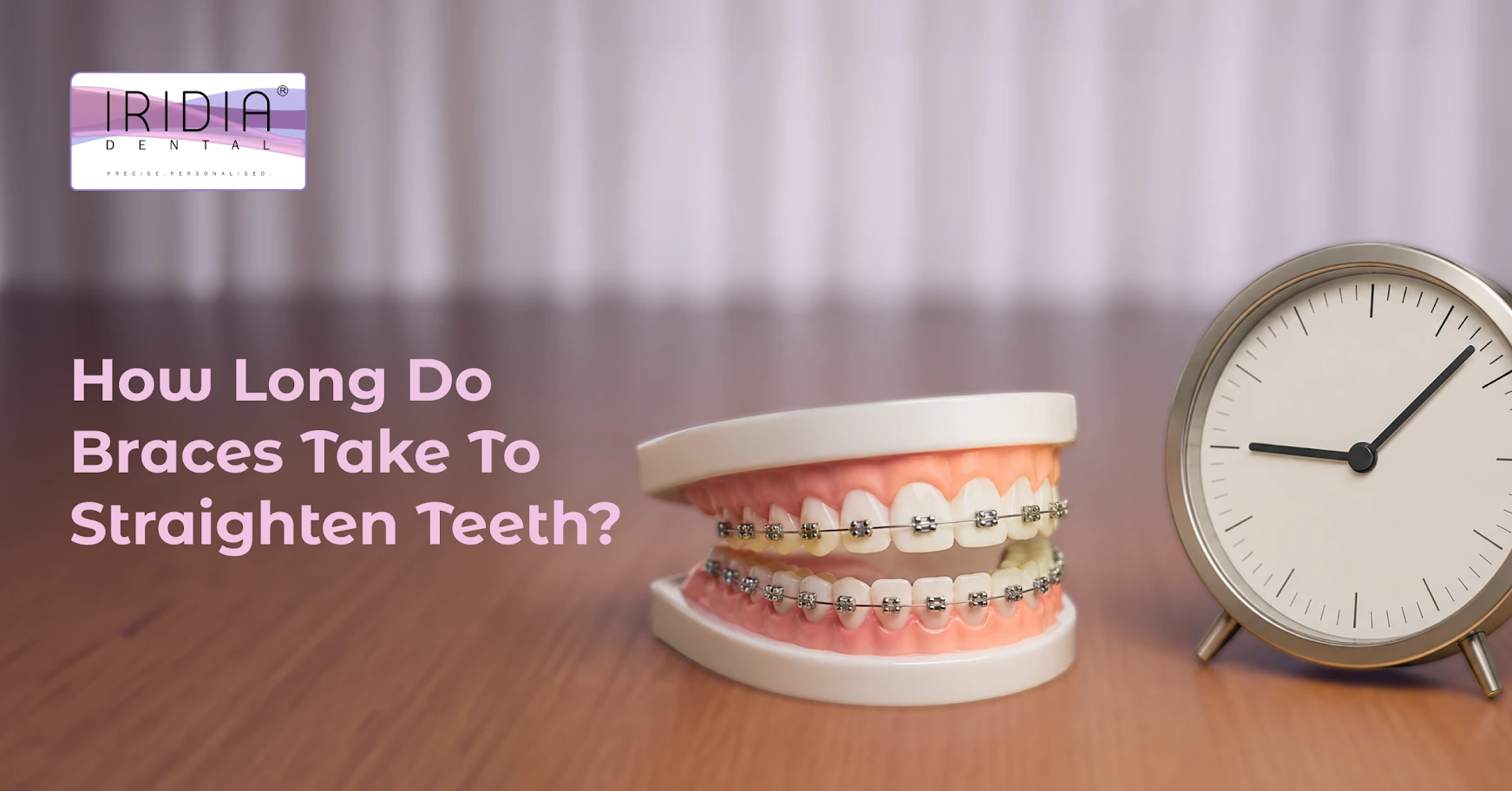
Braces are fixed orthodontic appliances that apply continuous, controlled pressure to gradually shift teeth into better alignment. They correct a wide range of issues including crowding, spacing, overbites, underbites, crossbites, and jaw misalignment. Treatment duration typically ranges from 12 months to 3 years, depending on the complexity of each case.
Types of Braces
There are several types available today, and your orthodontist will recommend one based on your clinical needs, age, and preference:
- Traditional metal braces
- Ceramic braces
- Self-ligating braces
- Lingual braces
- Clear aligners
What to Expect Right After the Procedure
The first day with braces is usually easier than most people anticipate.
The placement itself generally does not hurt. However, once the orthodontic forces begin working, you may notice:
- Mild pressure on the teeth
- Tightness when biting
- Sensitivity while chewing
- Minor irritation of the lips and cheeks
- A feeling that the teeth are “different” when they touch
Orthodontic wax can be applied directly to any bracket causing friction on the soft tissue. Warm salt water rinses are also effective for soothing gum irritation.
A commonly asked question is why orthodontists sometimes place top braces first before the lower arch. This is a clinical decision based on treatment sequencing; the upper arch often requires more correction or has a higher priority in bite adjustment. Placing them separately also allows patients to adapt more gradually.
What to Expect Over Time
The first week is the most significant adjustment period, but it is far from the full picture of what orthodontic treatment involves.
- Weeks 1 to 2:
Soft tissue sensitivity is at its highest. Teeth feel tender, especially when biting down. Eating requires slowing down and choosing carefully. - Weeks 2 to 4:
Most of the acute soreness fades. The mouth adapts to the hardware, brackets stop feeling sharp, and eating becomes noticeably easier. - Every 4 to 6 weeks:
Adjustment appointments are scheduled. During these visits, the orthodontist tightens or replaces the archwire to continue the tooth movement. Each adjustment can cause one to three days of renewed soreness, though it is generally milder than the initial discomfort. - Months 2 and beyond:
Most patients report that they no longer notice the braces day-to-day. Soreness after adjustments becomes the main periodic discomfort.
The overall treatment experience varies widely based on age, tooth density, the extent of correction needed, and patient compliance. Adults tend to experience longer treatment timelines than adolescents because bone remodelling occurs more slowly after growth plates close.
Possible Side Effects
Braces are safe and well-tolerated, but it helps to know what side effects are normal versus what warrants attention.
| Side Effect | Normal? | What to Do |
| Dull ache or pressure for 3 to 7 days | Yes | OTC pain relief (ibuprofen or acetaminophen), soft foods |
| Cheek and lip irritation from brackets | Yes | Apply orthodontic wax to the offending bracket |
| Minor cuts or ulcers on soft tissue | Yes | Warm salt water rinse; resolve on their own within a week |
| Temporary lisp or speech change | Yes | Resolves within days as the tongue adapts |
| White spots on enamel | Can develop over time | Rigorous brushing, fluoride toothpaste, and regular hygiene check-ins |
| Bracket popping off | Occasionally | Contact your orthodontist to reschedule a repair |
| Wire poking the back of the mouth | Occasionally | Use wax temporarily; contact the clinic to trim the wire |
| Severe or persistent pain lasting more than 2 weeks | No | See your orthodontist promptly |
| Significant tooth mobility or gum inflammation | No | Seek evaluation; may indicate underlying gum health concerns |
Enamel demineralisation (white spot lesions) is one of the more serious long-term side effects of braces if oral hygiene is neglected. Studies published in dental literature consistently identify poor plaque control around brackets as the primary cause. Brushing after every meal, using interdental brushes or floss threaders, and using a fluoride mouthwash significantly reduce this risk.
What Can You Eat After Getting Braces?
Diet is one of the most practical concerns for first-time braces wearers, and knowing what to eat with braces in the first week makes a significant difference in both comfort and protecting the appliance.
Not sure what to eat on the day you get your braces? Stick to foods that require minimal chewing.
Good choices include:
- Smoothies
- Yogurt
- Soup
- Mashed potatoes
- Scrambled eggs
- Soft pasta
- Oatmeal
- Ice cream in moderation
Cold foods may also provide temporary relief from soreness.
Recommended Foods
| Food Category | Examples |
| Dairy | Yogurt, soft cheese, smoothies |
| Soups | Tomato soup, vegetable soup, lentil soup |
| Grains | Oatmeal, pasta, soft rice |
| Proteins | Scrambled eggs, tofu, soft fish |
| Fruits | Bananas, mangoes, applesauce |
| Snacks | Pudding, mashed potatoes, soft sandwiches |
Foods to Avoid
| Avoid These Foods | Why |
| Popcorn | Can damage wires and brackets |
| Nuts | Excessive pressure on braces |
| Hard candies | May break brackets |
| Chewy sweets | Can become stuck in appliances |
| Ice cubes | Risk of bracket fracture |
| Sticky foods | Difficult to clean thoroughly |
How to Manage Pain on Your First Day With Braces?
The pain on your first day with braces is usually easy to manage.
Here are a few tips that might help you manage the pain better.
- Eat Soft Foods
Reducing chewing effort helps minimise discomfort during the adjustment period. - Use Orthodontic Wax
If a bracket rubs against the inside of your cheek or lip, orthodontic wax can reduce irritation. - Rinse With Warm Salt Water
A saltwater rinse may help soothe irritated oral tissues. - Stay Consistent With Oral Hygiene
Brushing and flossing become even more important once braces are placed. - Follow Your Orthodontist’s Instructions
Any pain management recommendations should be discussed with your orthodontist, particularly if discomfort seems unusually severe or prolonged.
When Should You Contact Your Orthodontist?
Not every discomfort during orthodontic treatment requires an urgent call.
However, you should contact your orthodontist if you experience:
- Severe or worsening pain
- A broken bracket
- A loose wire
- Significant swelling
- Difficulty eating or drinking beyond the expected adjustment period
Prompt attention can prevent treatment delays and improve comfort.
Most orthodontic practices provide emergency contact information for exactly these situations. If a wire is causing acute irritation and you cannot reach the office immediately, you can use the eraser end of a pencil to gently push the wire flat against the tooth, then cover it with wax until your appointment.
Final Thoughts
Getting braces for the first time is a significant step, and the first day and first week tend to be the steepest part of the adjustment curve. Pain peaks around day one and resolves substantially within the first week, a pattern well-documented across clinical literature. After that, most patients adapt quickly and find that braces become a background part of daily life rather than a constant source of discomfort.
What you eat, how consistently you maintain oral hygiene, and how closely you follow your orthodontist’s instructions will shape both your comfort and your results. The investment of time and care in these early weeks pays off over the course of treatment.
If you have concerns about your braces at any stage, your orthodontist is always the right first call.
Frequently Asked Questions
The placement itself is painless, but mild soreness typically sets in a few hours later as the teeth begin to shift.
Most patients describe a dull ache or pressure rather than sharp pain, which peaks around day one and eases significantly by day seven.
Stick to soft foods like yogurt, smoothies, mashed potatoes, scrambled eggs, and soup.
Soft, easy-to-chew foods such as oatmeal, soft pasta, bananas, and soups are your best options for the first week.
Yes, soft tissue irritation is very common initially and can be managed easily with orthodontic wax.
References
- Bergius, M., Kiliaridis, S. and Berggren, U. (2000) ‘Pain in orthodontics: a review and discussion of the literature’, Journal of Orofacial Orthopedics, 61(2), pp. 125–137. Available at: https://pubmed.ncbi.nlm.nih.gov/10783564/
- Talic, N.F. (2011) ‘Adverse effects of orthodontic treatment: a clinical perspective’, The Saudi Dental Journal, 23(2), pp. 55–59. Available at: https://www.ncbi.nlm.nih.gov/pmc/articles/PMC3770235/
- Merdad, L., El-Badrawy, W. and AlHaj, H.A. (2023) ‘Pain profile during orthodontic levelling and alignment with fixed appliances reported in randomized trials: a systematic review with meta-analyses’, European Journal of Orthodontics, 45(3), pp. 315–328. Available at: https://www.ncbi.nlm.nih.gov/pmc/articles/PMC10159949/
- Sudjalim, T.R., Woods, M.G. and Manton, D.J. (2006) ‘Prevention of white spot lesions in orthodontic practice: a contemporary review’, Australian Dental Journal, 51(4), pp. 284–289. Available at: https://onlinelibrary.wiley.com/doi/10.1111/j.1834-7819.2006.tb00445.x
- American Association of Orthodontists (2026) Braces 101: Straightening Teeth and Improving Bites. Available at: https://aaoinfo.org/treatments/braces/ (Accessed: 9 June 2026).